
Blog
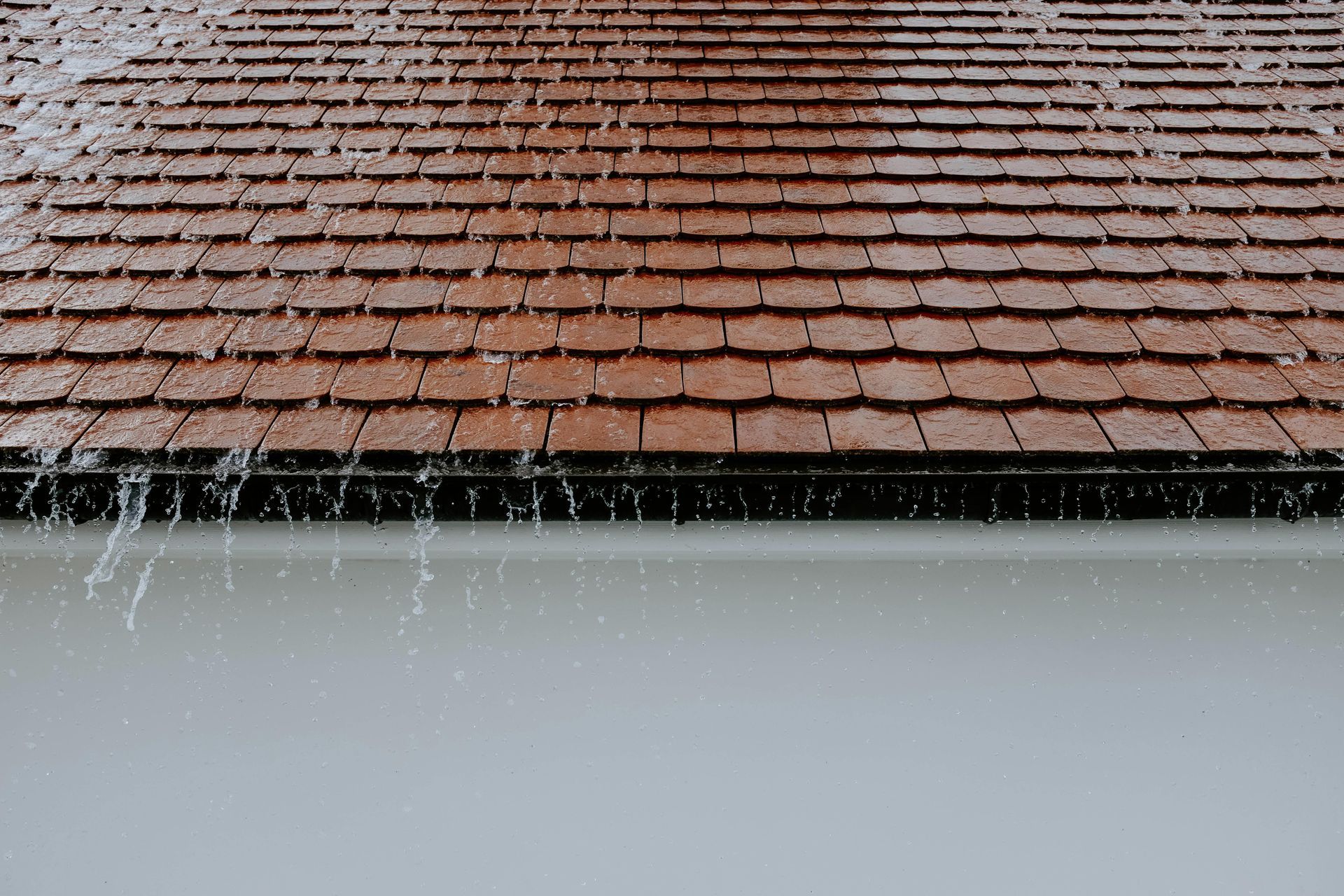
Why Checking for Gutter Leaks is Important
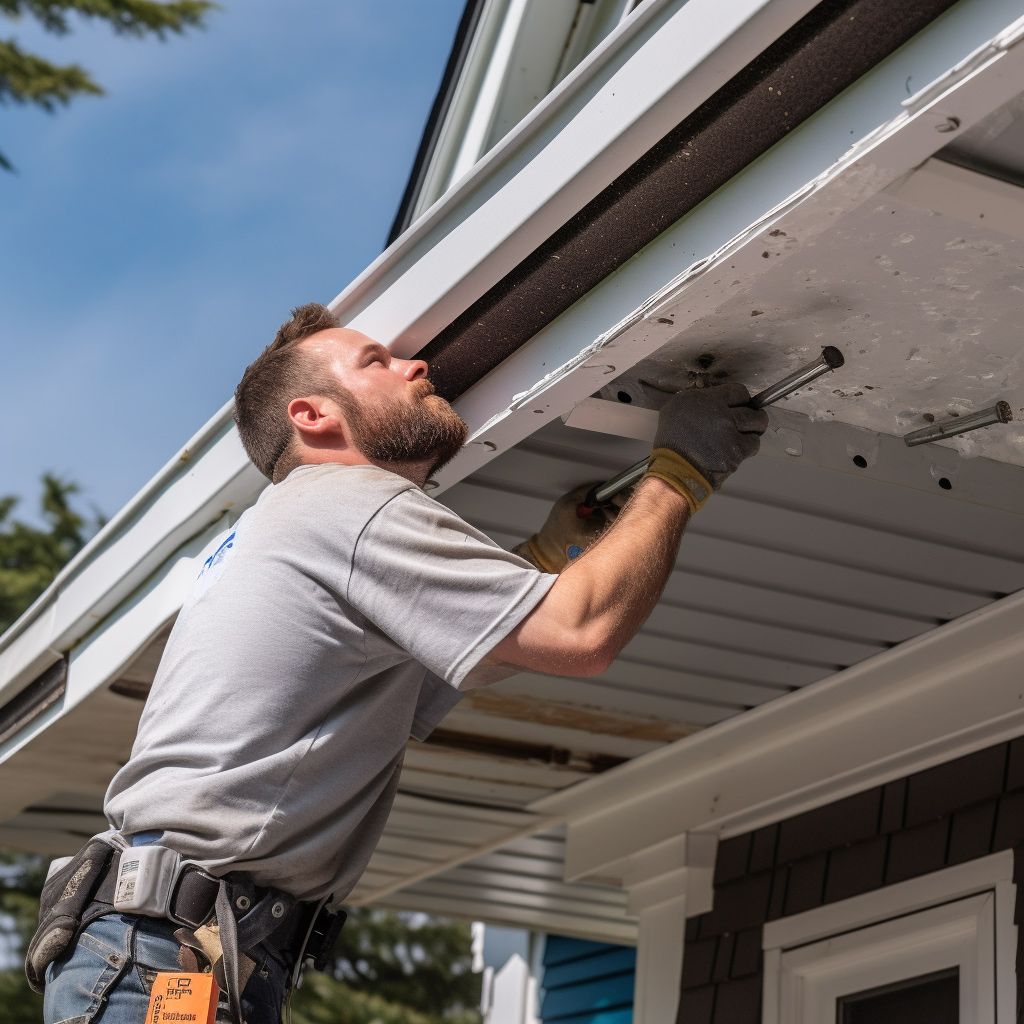
When it comes to home maintenance, gutters don’t always get the attention they deserve. But these simple fixtures can make a big difference in protecting your home—and your wallet. Clean, functional gutters shield your property from water damage, which is one of the leading causes of expensive repairs and insurance claims. Neglecting your gutters, on the other hand, can cause issues that your home insurance might not cover. That’s a risk most homeowners don’t want to take. So, how do gutters tie into home insurance? The connection might surprise you. By the way, if you’re thinking about upgrading or fixing your gutter system, check out this guide to gutter installation in Lafayette, LA for professional tips.
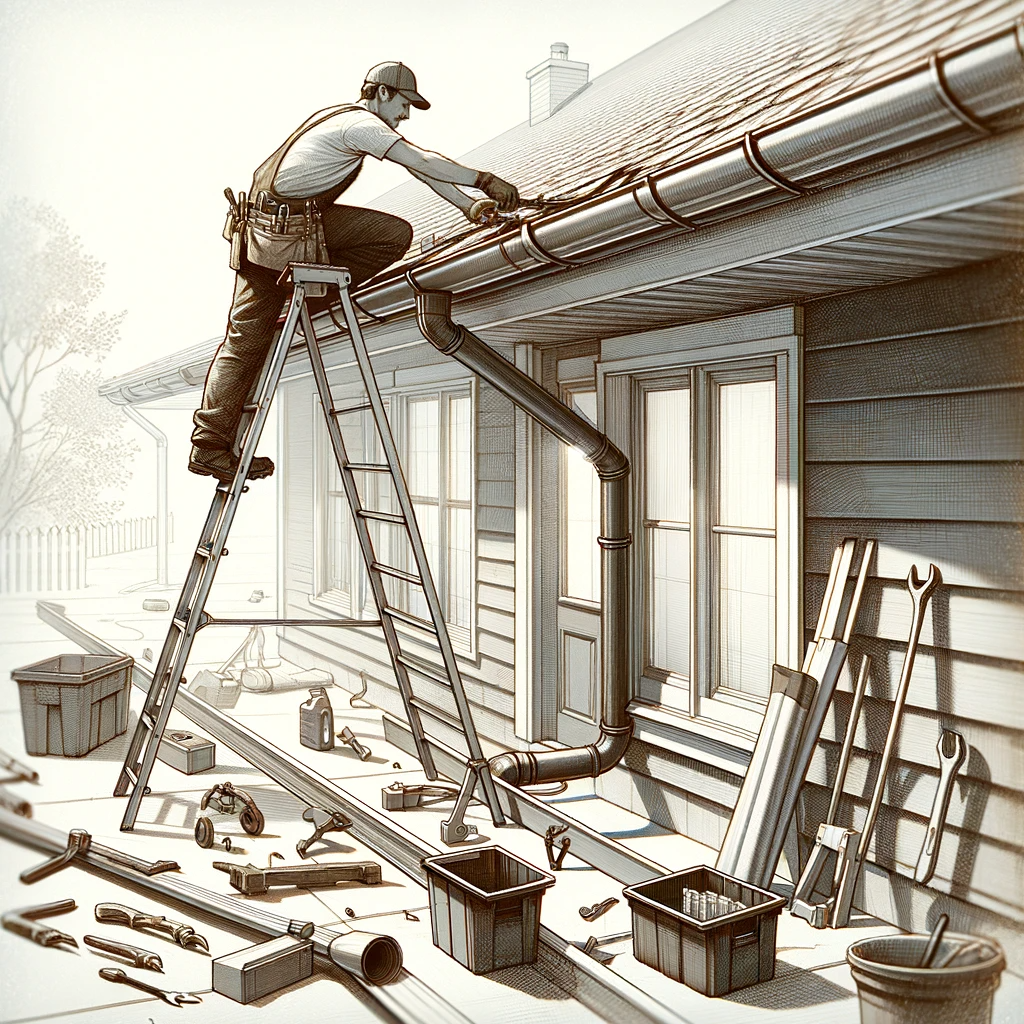
Gutters play a big role in keeping your home safe. They guide rainwater away from your roof, walls, and foundation, protecting your house from serious damage. If you’ve been asking yourself, “Can I install gutters myself?” the answer is yes. But it’s not as easy as it might seem. A DIY project can save you some money, but it takes planning, accurate measurements, and the right tools. If you don’t install them properly, you risk water damage or sagging gutters that might cost even more to fix. This guide breaks down what you need to know about installing gutters yourself. We’ll cover the tools, steps, and when to leave it to the pros. By the end, you’ll know if DIY is the right call for you.
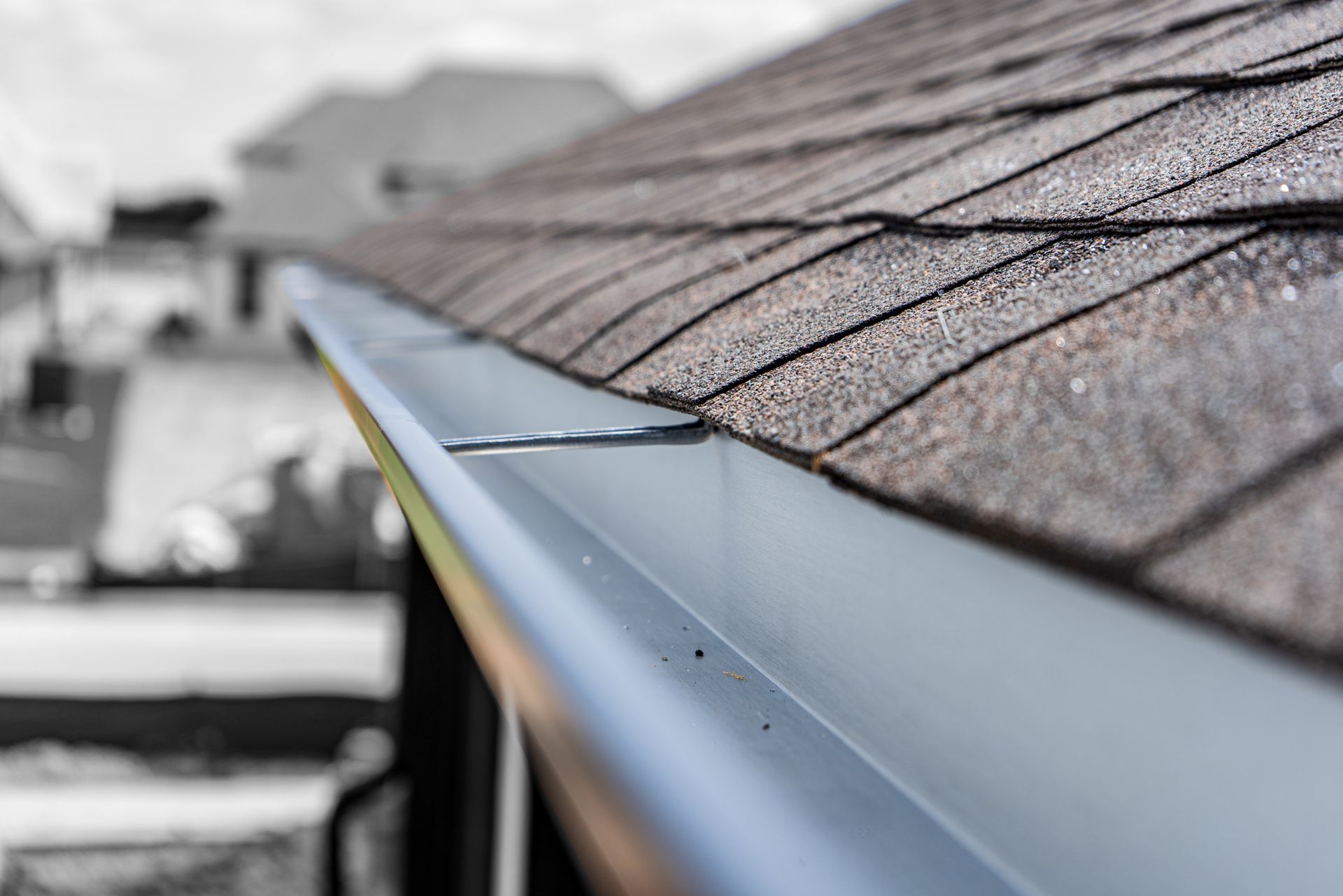
Keeping gutters clean protects your home from water damage, pest issues, and structural wear. When you skip gutter maintenance, minor problems can quickly turn into costly repairs. Knowing when and how often to clean your gutters helps keep your home safe and your gutter system in top shape. In this guide, you’ll find out why gutter cleaning matters, how often to do it, the tools you’ll need, and whether it’s worth hiring a professional. Stick to these tips, and you’ll avoid unnecessary headaches while keeping your gutters clear year-round.
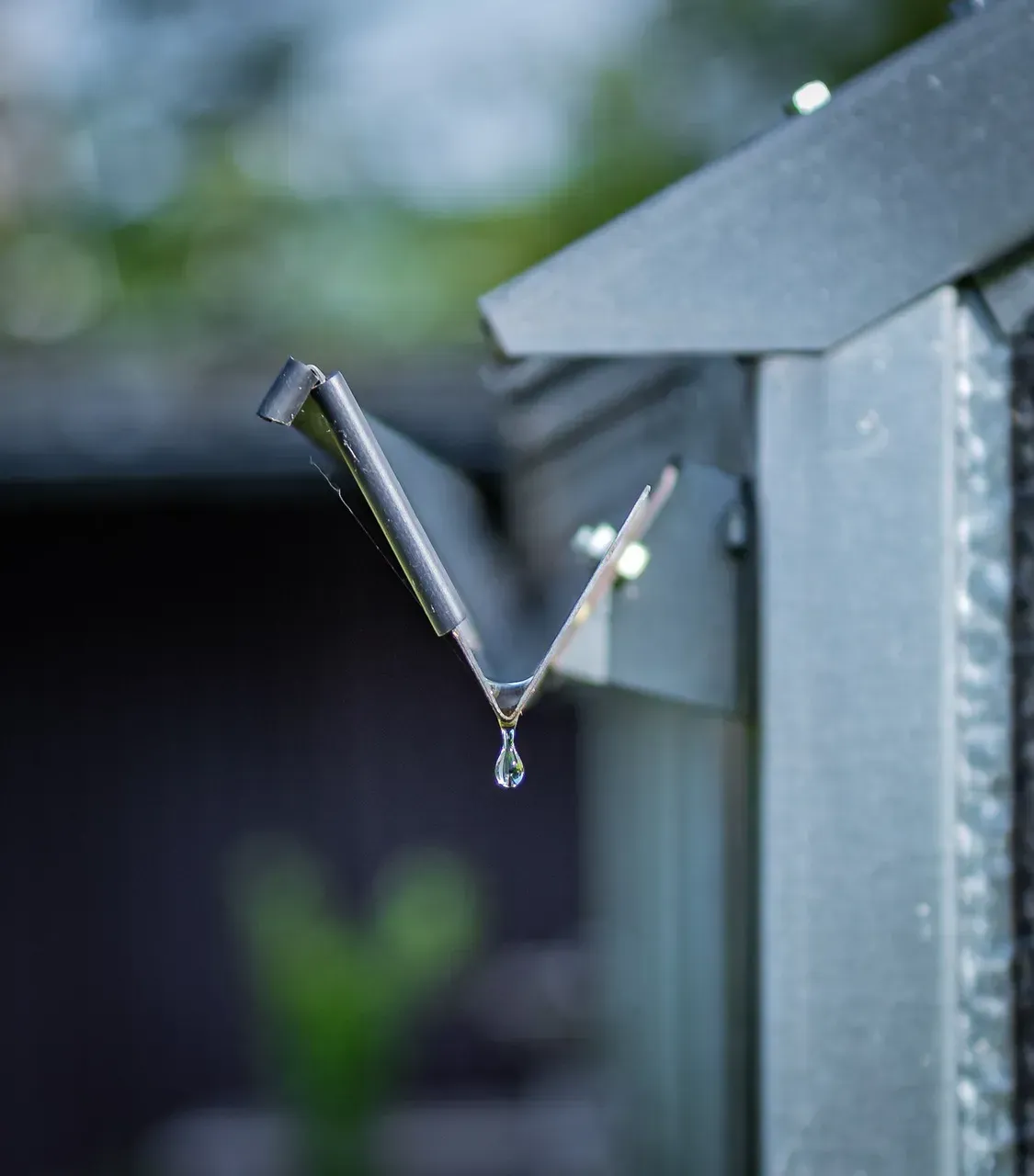
DIY Guide: How to Install Rain Gutters Easily!

Choosing the right patio cover is important for making the most of your outdoor space. Patio covers provide essential shade and protection, making your patio more comfortable and usable throughout the year. There are several types of patio covers, each with its own advantages. Solid covers offer full weather protection, while lattice covers allow some sunlight through. Pergolas add style with partial shade, and retractable covers give you control over how much sun or shade you want. Awning covers are a practical choice, especially for smaller spaces. This guide will help you understand the different options, so you can choose the patio cover that best fits your needs.

Adding a patio cover to your backyard can transform your outdoor space into a cozy retreat. These covers offer shade and protection from the weather, allowing you to enjoy your patio year-round. Patio covers come in various styles and materials, making it easy to find one that fits your taste and budget. They can be crafted from wood for a classic look, aluminum for durability, or vinyl for low maintenance. Besides being practical, patio covers enhance the aesthetics of your outdoor area. They create a defined space that's perfect for entertaining or just hanging out. With the right design, a patio cover can seamlessly connect your indoor and outdoor living spaces, adding both value and appeal to your home. In this guide, we'll explore the benefits of patio covers, the materials they're made from, and how they can improve your outdoor experience.

Aluminum Patio Covers: Cost, Lifespan, and Benefits

Finding the Best Gutter Repair Service: A Complete Guide

Common Gutter Problems and How to Fix Them